Indigenous × Ukrainian · Canadian Prairies · 1890s → today

Two grandmothers.One scarf.A story carried for generations.

BABA & KOKUM is a living storytelling project about Indigenous and Ukrainian lives on the Prairies since the 1890s, told through a printed floral scarf, family memory and sourced history.

We follow what is documented, mark what is remembered, and keep space for Indigenous co-authors to decide how their side of the story is told. No Indigenous community or organization has endorsed or partnered in this project yet.

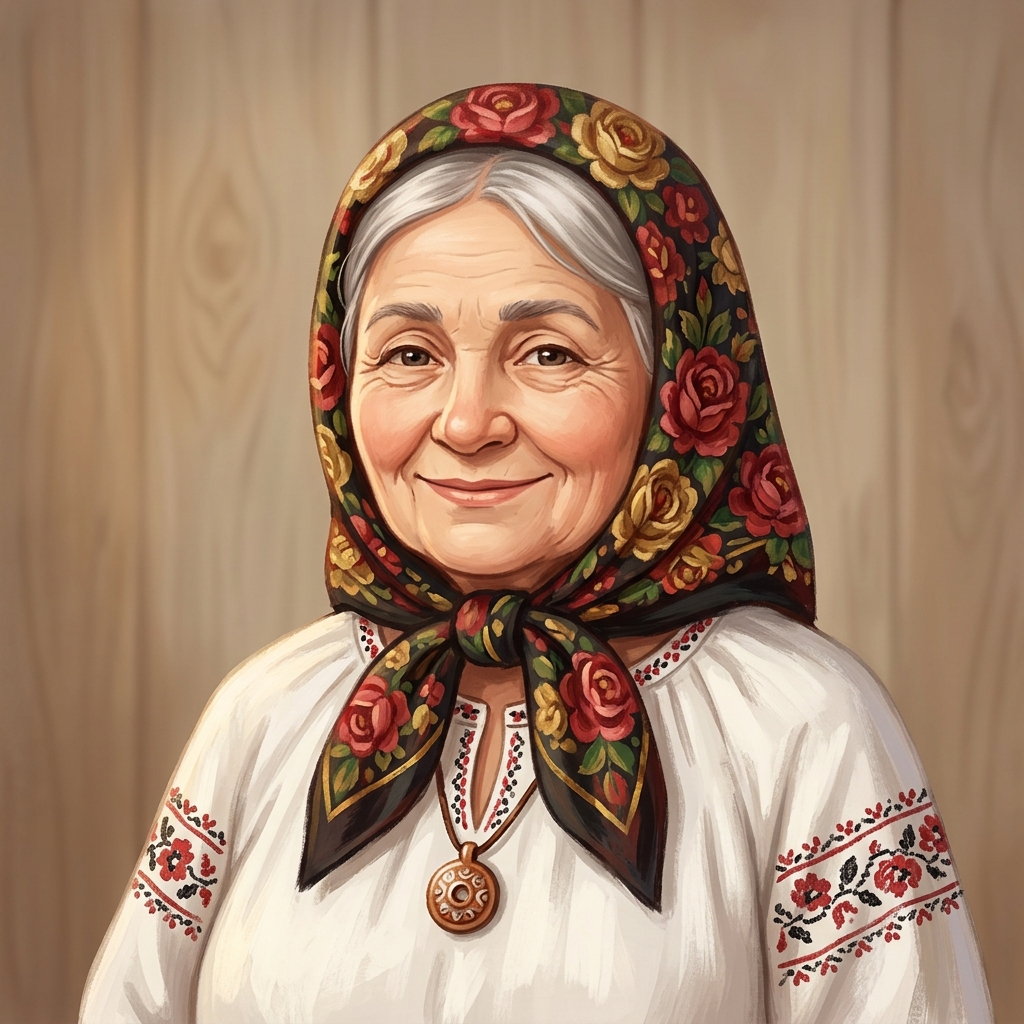
Project illustration: a Ukrainian baba
BABA Ukrainian: grandmother
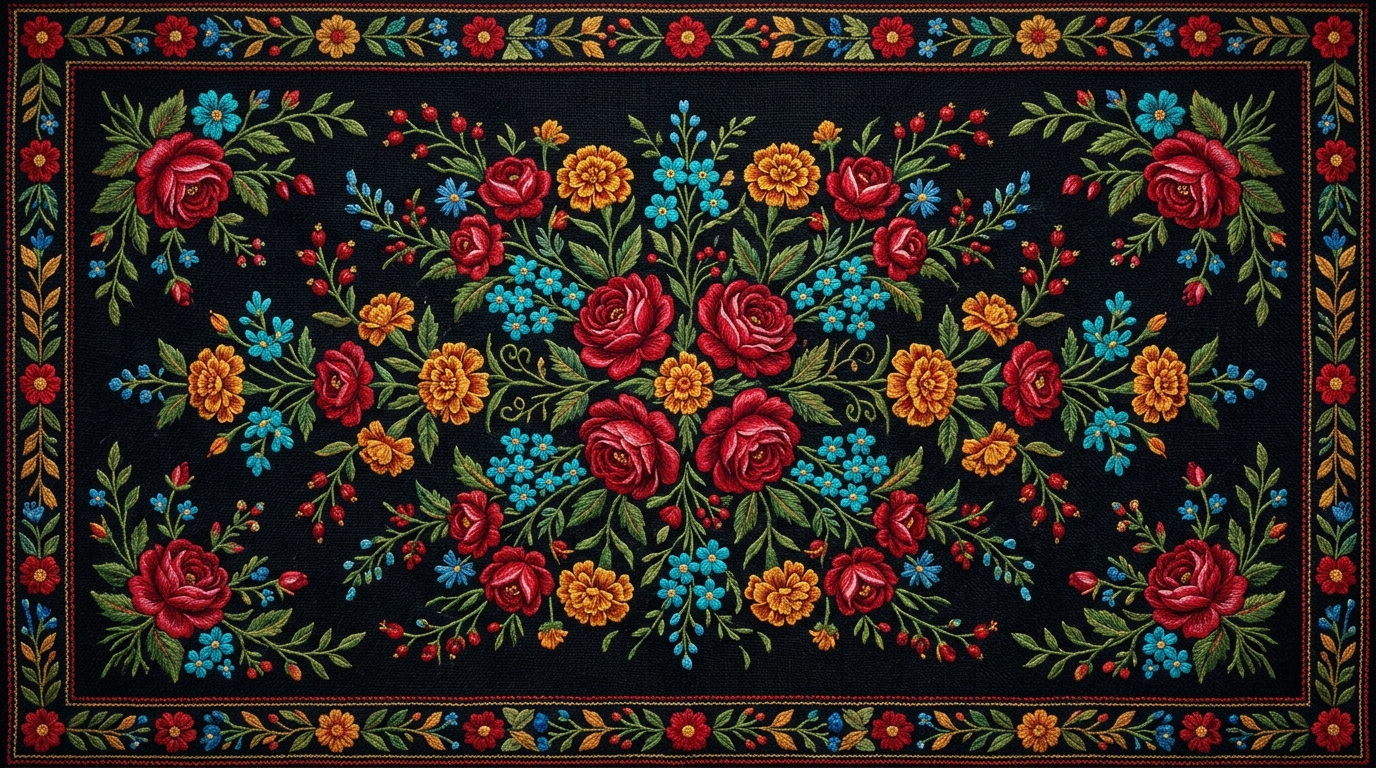
Project illustration: a printed floral scarf
The printed floral scarf хустка · kokum scarf
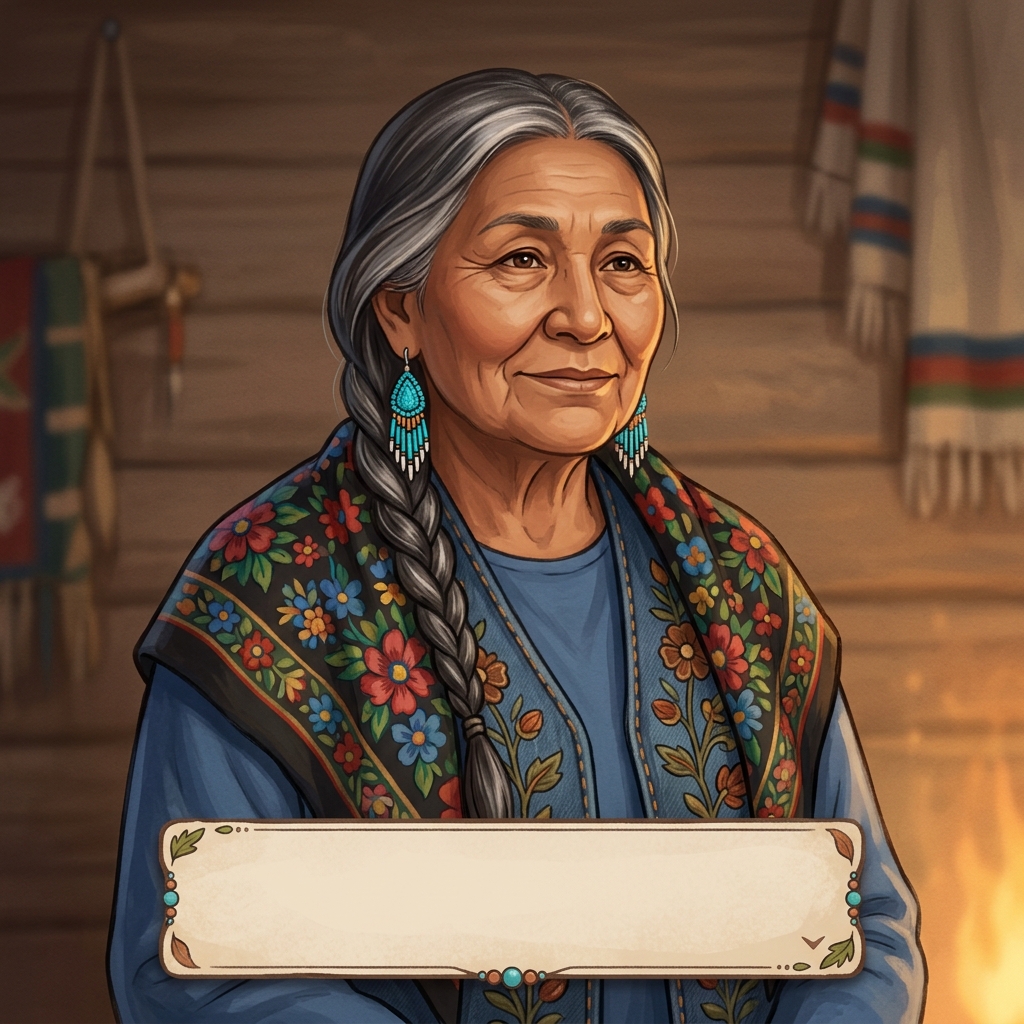
Project illustration: a Prairie kokum
KÔHKOM Cree: “your grandmother”
← Ukrainian family memoryPrairie Indigenous family memory →
1890s Ukrainian homesteads spread across the Prairies, on land already taken from Indigenous nations
Generations Neighbours, trade, gifts, distance and colonial law
Today A story rebuilt from sources and from families

Project illustrations. Archival sources are named in each chapter.

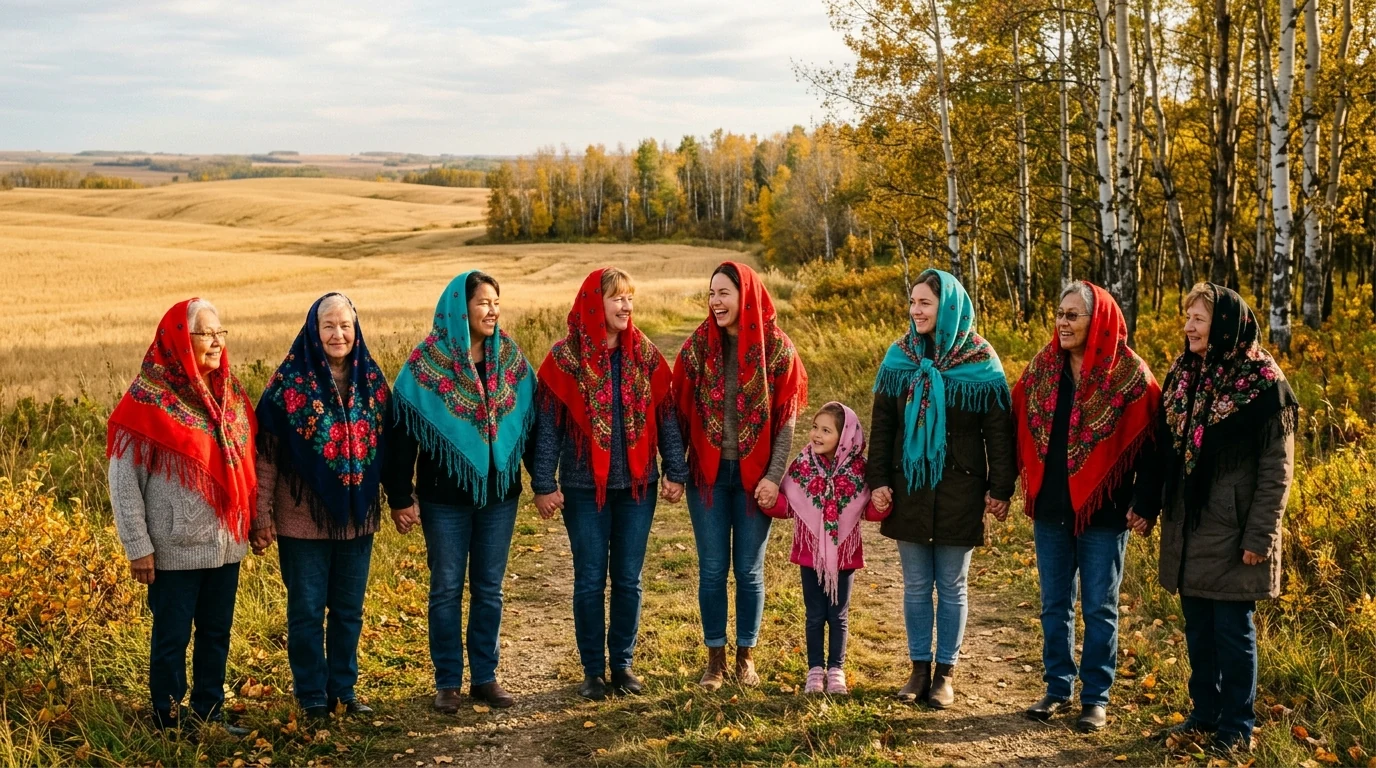
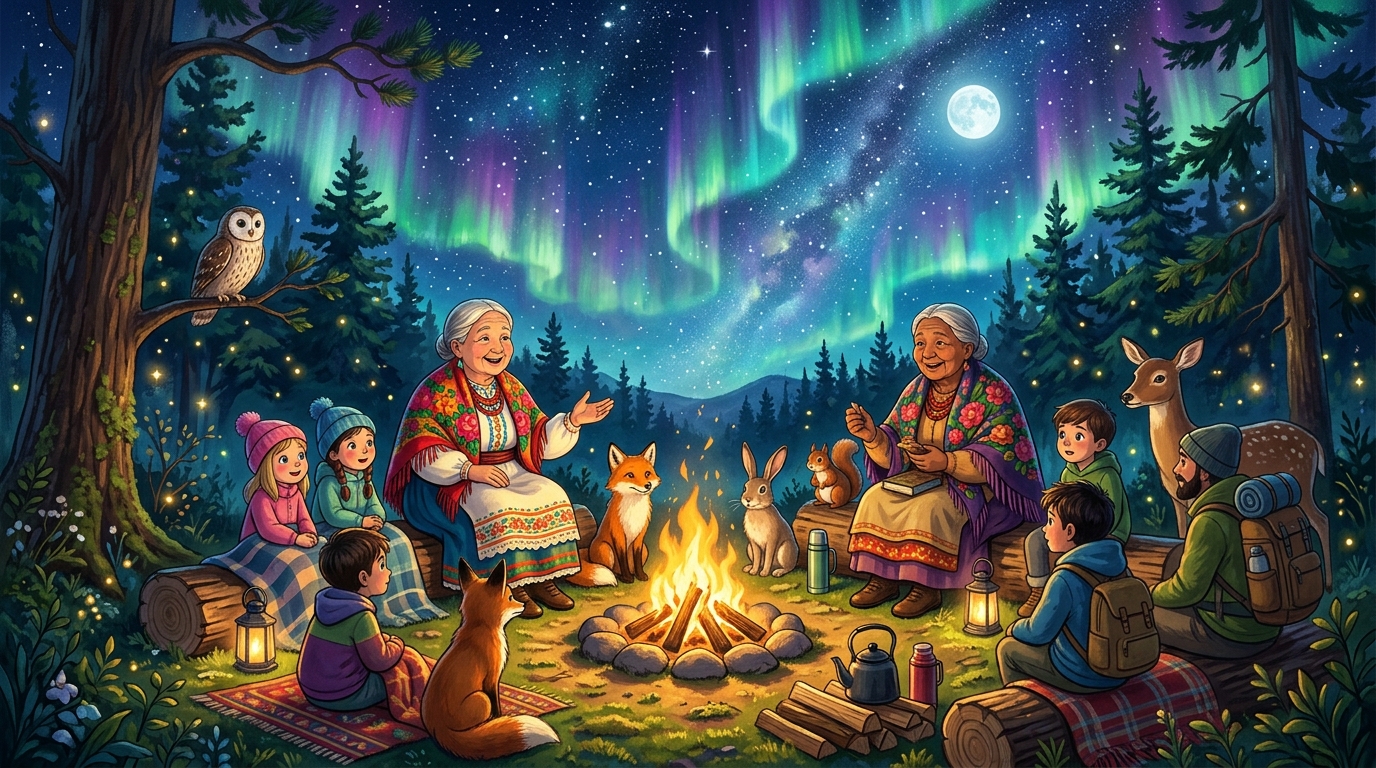
Project illustration: people in a story circle
Project illustration. The chapters name their archival and published sources.
The story in four beats

Warm stories and hard history, held together

The neighbour stories carry warmth. Underneath them lies the colonial system that opened the Prairies to Ukrainian homesteads on land taken from Indigenous peoples. The project holds both.

The land under it

Ukrainian families received their homesteads because the land had already been taken. Patty Krawec, an Anishinaabe-Ukrainian writer from Lac Seul First Nation: «The land they settled on, the 160 acres they were given on the plains, hadn’t been empty after all. It had been emptied.» (Rampant Magazine, 14 March 2022.)

1890s · arrival

New neighbours on old land

Ukrainian families began building homesteads across the Prairies. Indigenous nations were already there, living through displacement, reserves and the permit system. Their histories meet inside an unequal system.

Read the sourced chapter →
Generations · everyday life

What families remember

Neighbour stories tell of trade, gifts, food, plants and clothing. Some are documented; others survive as family memory, and the project labels which is which.

Browse the chronicle →
The scarf · a visible thread

One familiar floral cloth

The thin printed floral scarf belongs to Ukrainian family life and to many Prairie Indigenous families, where “kokum scarf” ties it to grandmothers. The project follows the object and leaves its origin as open as the sources leave it.

What is documented about the scarf →
Today · unfinished

A story that needs more authors

The Ukrainian-Canadian team built the digital work so far. The Indigenous side is for Indigenous co-authors and knowledge keepers to write, change, remove or refuse.

How co-authorship works →
Why it matters

A shared symbol opens a harder, better conversation

The scarf makes the story human at once: grandmothers, family photographs, clothing, gifts. From there it leads into the history underneath: land, policy, and whose voice is still missing.

Our rule: source it, label it, correct it.

Published evidence is linked. Family memory is marked as memory. Corrections from the communities described here outrank our copy. The goal is a living, accountable record of a shared and divided past.

The project is open

Bring a story, a correction, a scarf, or help decide what should stay untold

We are looking for Indigenous co-authors, knowledge keepers, artists, families, educators and organizations who want to shape what BABA & KOKUM becomes. The first step is a cup of tea or a thirty-minute call.